
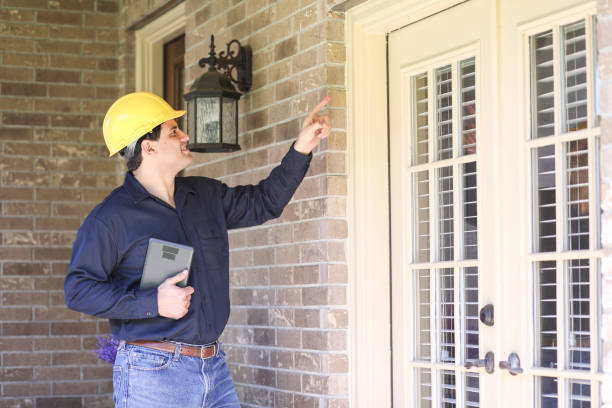
When it comes to property management and development, building and pest inspection play a crucial role beyond just assessing structural integrity. These inspections are also vital for ensuring environmental safety, legal adherence, and increasing the property’s market value, thus protecting both property owners and developers from future liabilities.
Understanding Building and Pest Inspection
A building and Building and Pest Inspection Brisbane is a comprehensive assessment of a property to identify any structural issues and pest infestations. It is an essential step before buying, selling, or maintaining a property. Here is what it involves:
Building Inspection:
- Examines the physical condition of the property’s structure, including the roof, walls, foundation, windows, and doors.
- Identifies issues such as cracks, dampness, mould, or deterioration.
- Helps determine the overall safety, integrity, and compliance of the building.
Pest Inspection:
- Focuses on detecting pests like termites, rodents, ants, and wood-boring insects that can damage the property.
- Uses specialized tools and visual checks to find signs of infestation or damage.
- Assesses the risk of future pest problems.
Purpose of Building and Pest Inspection
The primary purpose of a building and pest inspection is to provide a clear, detailed understanding of a property’s condition and any pest related issues. Key objectives include:
- Identify Structural Issues: Detect existing problems such as cracks, dampness, or deterioration that could compromise the safety and stability of the building.
- Detect Pest Infestations: Find signs of pests like termites, rodents, or other wood-boring insects that can cause damage and affect the property’s value.
- Assess Property Condition: Provide a comprehensive report on the overall health of the building, including areas that may require repairs or maintenance.
- Inform Property Transactions: Help buyers make informed decisions by revealing potential costs or issues before purchase. It also assists sellers in understanding and addressing problems to improve marketability.
- Prevent Future Costs: Early detection of issues allows for prompt repairs, saving money and preventing further damage or pest spread.
- Protect Investment: By identifying problems early, inspections help preserve the property’s value and ensure peace of mind for owners and buyers.
The Role of Building and Pest Inspection in Renovations
Building and pest inspections play a crucial role in planning and executing renovations. Here is how they contribute:
- Checking the Current Condition: Finds problems like structural damage or pests before starting renovations.
- Planning Repairs: Shows what needs fixing or strengthening to improve the building.
- Preventing Future Damage: Detects pests early, so they don’t cause more harm later.
- Safety and Rules: Makes sure the building is safe and meets legal standards.
- Saving Money: Finds issues early, helping to avoid unexpected costs.
- Boosting Property Value: Fixing problems improves the property’s worth and safety.
- Getting Permits: Inspection reports may be needed to get approval for renovations.
Building and pest inspection are not just about identifying immediate structural or pest issues but are integral to maintaining environmental safety and enhancing property value. Incorporating these inspections into your property management or development plans is a proactive step toward sustainable, compliant, and market ready property ownership.