
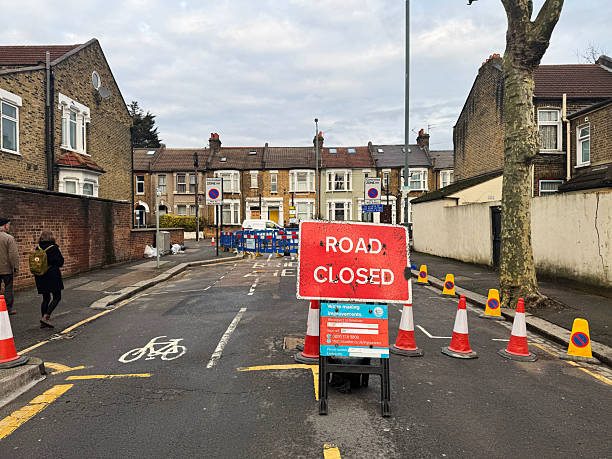
In any well-managed facility, safety does not rely on a single system; it depends on layers of protection working together. Passive security features, such as bollards, serve as a critical first barrier against vehicle incursions, accidents, and unauthorized access. When these elements are damaged or neglected, the integrity of the entire safety plan is weakened. Addressing issues promptly through professional bollard repair in Montgomery services is not merely a maintenance task; it is a strategic decision that protects people, property, and operational continuity. Proactive upkeep helps reduce liability exposure, prevent costly damage, and demonstrate a clear commitment to site safety.
- Recognizing Early Warning Signs of Bollard Failure
Effective maintenance begins with awareness. Experienced site managers understand that bollards rarely fail without warning. A visible lean or tilt often points to foundation instability, while cracks near the base indicate structural stress. Rust and corrosion; particularly on steel bollards can silently compromise strength long before failure becomes obvious. Even cosmetic damage, such as chipped coatings or deep scratches, should not be ignored, as these flaws allow moisture and debris to accelerate deterioration. Addressing these issues early keeps bollard repair Montgomery straightforward and cost-effective.
- The Operational Risks of Delayed Repairs
Deferring necessary repairs can trigger a chain reaction of safety concerns. A single compromised bollard may alter vehicle or pedestrian flow, increasing the likelihood of collisions or secondary impacts. Gaps in perimeter protection can expose restricted areas to unauthorized vehicle access. Additionally, visibly damaged infrastructure can reflect poorly during client visits, safety audits, or insurance inspections. Emergency repairs following a failure are almost always more expensive and disruptive than planned, preventative maintenance.
- Matching Repair Methods to Bollard Materials
Not all bollards are built the same, and effective repairs must reflect this. Steel bollards may require precision welding, surface preparation, and protective coatings to restore corrosion resistance. Concrete or concrete-filled bollards demand specialized patching and sealing to regain structural mass and weather protection. Polymer and plastic bollards often involve thermal welding or shell replacement. A qualified provider will assess material type and damage severity to apply the correct solution, which is central to reliable bollard repair in Montgomery outcomes.
- Incorporating Bollard Maintenance into a Broader Safety Strategy
Bollards are most effective when they function as part of a larger safety ecosystem. They work alongside lighting, signage, pavement markings, and access control systems to guide movement and reduce risk. Repair work presents an opportunity to review overall traffic flow and site design. Are visibility and illumination sufficient? Do current layouts still align with daily operations? Taking a holistic approach ensures repaired bollards contribute meaningfully to both safety and efficiency.
The condition of a site’s protective barriers is a direct reflection of its operational discipline. Consistent, professional maintenance demonstrates due diligence and reinforces a culture of prevention rather than reaction. By investing in qualified repairs and addressing issues before they escalate, organizations protect assets, safeguard the public, and maintain compliance with safety expectations. Strategic attention to bollard integrity ensures that this critical first line of defense remains dependable, effective, and ready to perform its role without compromise.